

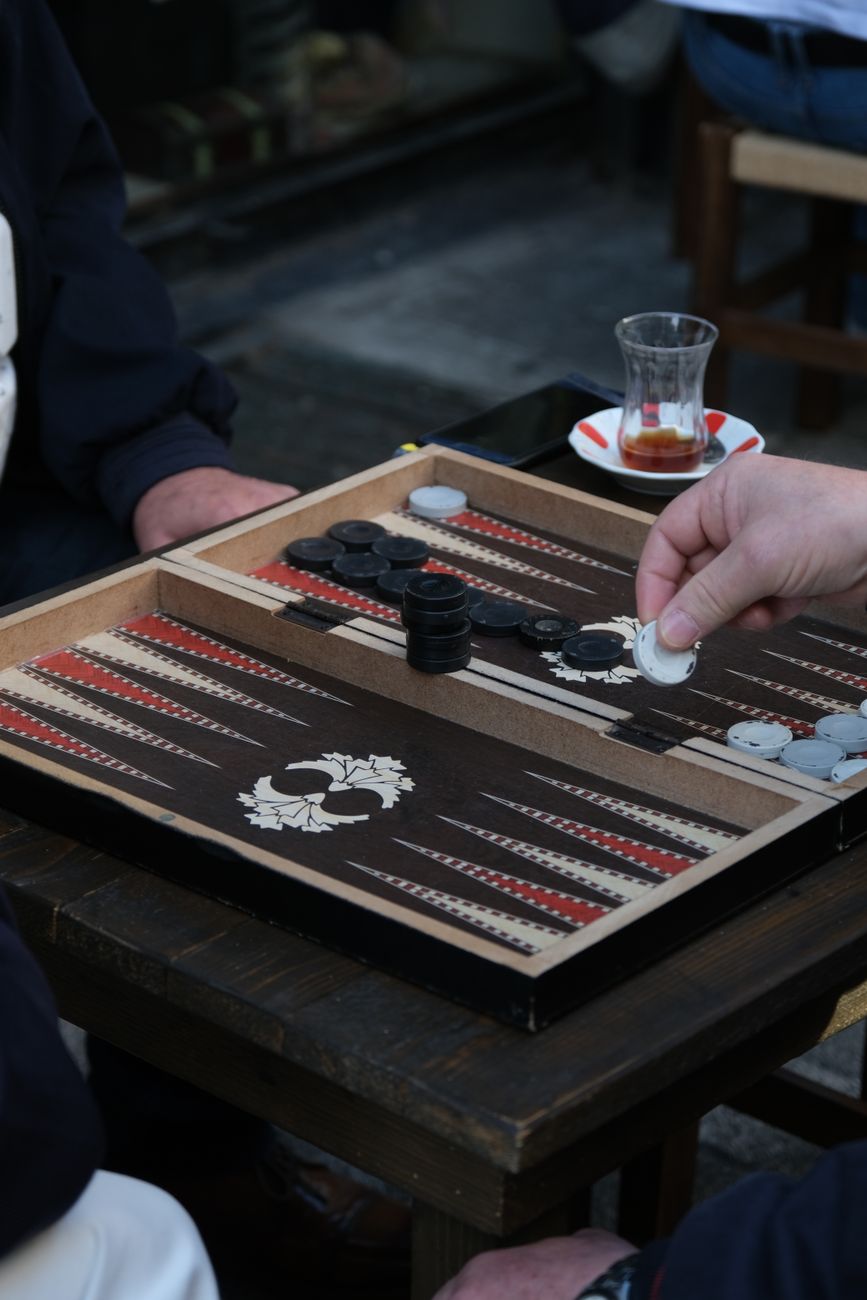
Improve your backgammon game: advanced tips and tricks – backgammon is more than a roll‑of‑the‑dice pastime; it rewards strategic depth, pattern recognition, and psychological finesse. In this article we will explore how to transform a casual player into a formidable opponent by mastering the art of prime building, timing the race, exploiting the opponent’s weaknesses, and using the doubling cube with confidence. You will learn how to read the board like a chessboard, calculate risk with real‑world probabilities, and adopt a mindset that turns every move into a calculated advantage. Whether you compete online, in clubs, or at home, these insights will elevate every session and help you close out games that once felt out of reach.
prime building and slot control
Creating a solid prime – a consecutive series of occupied points – is the backbone of any winning backgammon strategy. Instead of scattering checkers across the board, focus on consolidating them into a wall that blocks the opponent’s progress. Aim for a six‑point prime when possible, but a four‑point prime in the opponent’s home board often suffices to trap a single checker. Remember to keep at least one “anchor” point in the opponent’s outer board; this prevents a complete blockade and gives you a foothold for later attacks.
- Tip: When you have two adjacent points, prioritize moving a third checker to extend the prime before advancing your back checkers.
- Tip: Avoid leaving isolated blots on the prime’s edge – a single hit can dismantle weeks of work.
timing the race and managing the pip count
The race to bear off is a race of pips, the total distance each checker must travel. Advanced players constantly monitor the pip count of both sides, adjusting their strategy when they are ahead or behind. If you lead, speed up by splitting and racing your back checkers; if you lag, shift focus to creating blocking points that delay the opponent. Use the following table to gauge typical pip differences and recommended actions:
| pip advantage | recommended play |
|---|---|
| 0‑30 | maintain balance, avoid risky hits |
| 31‑70 | accelerate race, keep primes short |
| 71+ | push aggressively, consider a double |
leveraging the doubling cube
The doubling cube is a psychological weapon as much as a mathematical one. Knowing when to offer a double can force an opponent into a mistake, while declining at the right moment saves you from a costly loss. A good rule of thumb: offer a double when your winning probability exceeds 70 % and you have a solid prime or a clear race lead. Conversely, decline if your chance of winning drops below 25 % or if you are vulnerable to a back‑game hit. Practicing these thresholds in online simulators will make your decisions feel instinctive.
- Advanced tip: Use the “cube‑control” concept – if you own the cube, you can dictate the tempo; if not, play conservatively until you regain control.
- Advanced tip: When the opponent offers a double, calculate the expected value (EV) quickly: EV = (win % × 1) – (loss % × 1). Accept only if EV is positive.
reading the opponent and applying the back‑game
Beyond the board, backgammon is a battle of minds. Observe your opponent’s risk tolerance: frequent hits indicate aggression, while a cautious approach suggests they value safety. If you detect aggression, set traps by leaving a single blot on a high‑probability hit point; a reckless opponent will likely take it, opening the door for a prime. When you fall behind, consider a back‑game: anchor deep in the opponent’s home board and wait for a chance to hit an exposed blot, turning a losing race into a winning battle. Timing is crucial – launch the back‑game only when you have at least two anchors and the opponent’s checkers are clustered.
- Pro tip: Keep a “reserve” checker on the 24‑point as a safety net; it can become an anchor or a hit piece at a moment’s notice.
- Pro tip: Use the “slot‑and‑hit” sequence – slot a point, then immediately aim to hit an opponent’s blot that lands there on their next roll.
conclusion
Mastering backgammon demands more than luck; it requires precise prime construction, vigilant pip‑count management, savvy use of the doubling cube, and an acute sense of the opponent’s psychology. By focusing on building strong walls, timing your race moves, offering or accepting doubles at mathematically sound moments, and deploying a back‑game when necessary, you turn each roll into a strategic decision rather than a gamble. Apply the table’s pip‑advantage guidelines, keep your blots covered, and stay alert to cues from your rival. With consistent practice, these advanced tactics will become second nature, allowing you to dominate the board, close out close games, and enjoy the deep satisfaction that comes from out‑thinking every opponent.
Image by: Yaşar Başkurt
https://www.pexels.com/@yasar-baskurt-706180077