
In the vast and ever-evolving landscape of video games, certain titles stand out not just for their gameplay or narrative, but for their immersive worlds. Ghost of Tsushima, a critically acclaimed action-adventure game, is one such masterpiece. Its success is deeply intertwined with its breathtaking visual design and the subtle, yet profound, secrets woven into its world. This article will delve into the atmosphere and art of Ghost of Tsushima, exploring how its visual elements contribute to its compelling ambiance and the hidden depths that reward observant players. We’ll examine the artistic choices that bring the island of Tsushima to life and how these artistic decisions serve to uncover the game’s underlying narrative and thematic resonance.
The Art of Isolation: A Palette of Serenity and Sorrow
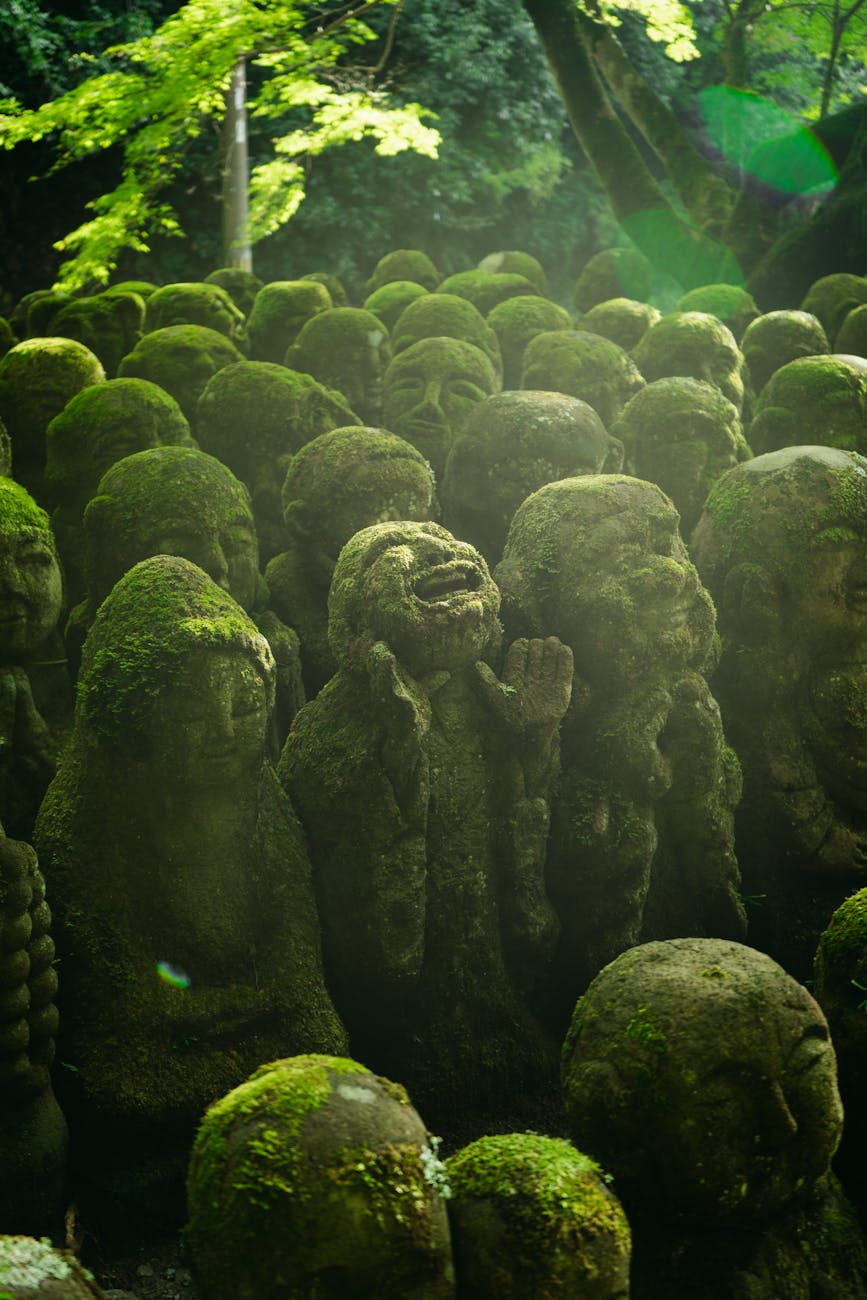
The visual design of Ghost of Tsushima is a meticulously crafted tapestry, painting a vivid portrait of a land caught between beauty and conflict. The art direction leans heavily into the natural splendor of feudal Japan, showcasing sweeping vistas of emerald fields, towering bamboo forests, and the serene, often mist-laden, coastline. This inherent beauty, however, is constantly juxtaposed with the brutal reality of the Mongol invasion. The contrast is striking: vibrant cherry blossoms can fall upon blood-soaked battlefields, and the tranquil sound of rustling leaves can be pierced by the clang of steel. This deliberate artistic choice imbues the game with a unique atmosphere, one that oscillates between peaceful contemplation and urgent survival.
The use of color plays a pivotal role in establishing this mood. Muted earth tones and soft greens dominate the natural landscapes, creating a sense of calm and tradition. However, splashes of vibrant red – the color of maple leaves, the symbolic threat of the Mongols, and the lifeblood spilled in combat – punctuate the scenery, adding a sense of urgency and danger. The lighting is equally masterful, with golden hour sunbeams piercing through dense foliage and the soft glow of lanterns illuminating dark alleyways, each contributing to the emotional resonance of the environment.
Whispers in the Wind: Environmental Storytelling and Hidden Lore
Beyond the aesthetic appeal, the world of Ghost of Tsushima is rich with environmental storytelling, offering subtle clues and lore that deepen the player’s understanding of the island and its people. These aren’t always delivered through explicit cutscenes or dialogue; instead, they are woven into the fabric of the environment itself. Players might discover abandoned shrines hinting at ancient beliefs, or discover the remnants of past skirmishes that tell a silent story of the conflict’s progression. The game encourages exploration not just for loot or upgrades, but for the discovery of these narrative fragments.
Key to this environmental narrative are the “Telling Tales” and “Haunting Winds.” The Telling Tales are side quests that often present poignant vignettes of Tsushima’s inhabitants and their struggles, revealing the human cost of the invasion. The Haunting Winds, on the other hand, are spectral guides that lead players to hidden shrines, cosmetic items, or even lyrical haiku spots, each with its own narrative significance. These elements transform the act of traversal into a form of active discovery, rewarding players who pay attention to the subtle details scattered across the map. The very layout of villages and fortifications often speaks volumes about the strategic decisions made during the conflict, offering a visual history lesson.
The Aesthetics of Combat: A Dance of Steel and Spirit
The art of Ghost of Tsushima extends fundamentally into its combat system. The visual presentation of samurai duels is not merely functional; it’s an artistic endeavor in itself. Each sword strike, parry, and dodge is rendered with a grace and precision that elevates combat to a cinematic experience. The wind, a recurring visual motif, often whips around Jin as he engages his foes, mirroring the fluidity of his movements and the intensity of the battle. This visual dynamism makes combat feel less like a brute-force exchange and more like a disciplined, albeit deadly, art form.
The game’s distinct “ghost” techniques, such as the wind stance or the visual cues for perfect parries, are also deeply tied to its aesthetic. They are designed to be both impactful and visually striking, reinforcing Jin’s evolving identity as a warrior who bends the traditional samurai code. The visual effects during combat, from the subtle bloom of a successful parry to the dramatic slow-motion of a finishing blow, are all carefully orchestrated to enhance the player’s engagement and the visceral thrill of each encounter. The color palette during combat shifts subtly, often with the introduction of richer reds and starker whites, further emphasizing the gravity of the situation.
| Element | Description | Atmospheric Impact |
|---|---|---|
| Natural Landscapes | Sweeping vistas, dense forests, serene coastlines. | Tranquility, beauty, a sense of ancient heritage. |
| Color Palette | Muted earth tones contrasted with vibrant reds. | Juxtaposition of peace and conflict, underlying danger. |
| Lighting | Golden hour sunbeams, lantern glow. | Emotional resonance, atmosphere of mystery and calm. |
| Environmental Clues | Abandoned shrines, battle remnants, subtle details. | Deepened lore, player discovery, historical context. |
| Combat Aesthetics | Fluid animations, wind effects, visual cues. | Cinematic experience, elevates combat to an art form. |
In conclusion, Ghost of Tsushima stands as a testament to the power of masterful visual design and intricate world-building. The game’s atmosphere is a delicate balance of natural beauty and the harsh realities of war, achieved through a deliberate and evocative art direction. Its secrets are not hidden behind complex puzzles but are revealed through careful observation of its environment, rewarding players with a deeper understanding of its lore and the personal struggles of its characters. From the rustling leaves that whisper tales of the past to the elegant dance of steel in combat, every visual element contributes to an unforgettable and profoundly immersive experience. The art of Ghost of Tsushima is not merely superficial; it is the very soul of the game, inviting players to not just play, but to truly inhabit its world.
Image by: Julias Torten und Törtchen
https://www.pexels.com/@julias-torten-und-tortchen-434418