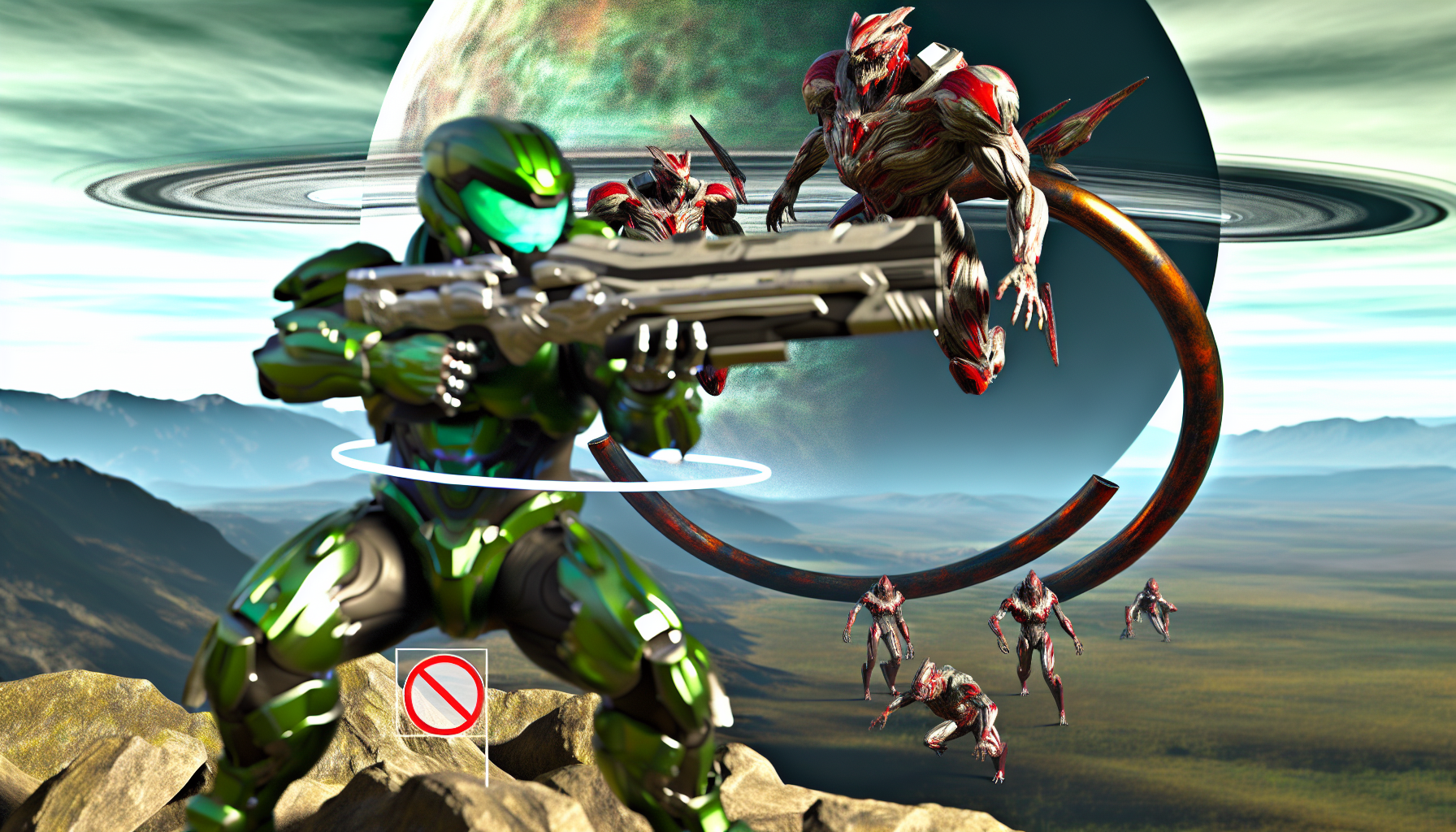


The world of video game development is in constant evolution, and at the forefront of this revolution stands Unreal Engine 5. This powerful game creation tool, developed by Epic Games, represents a significant leap forward, promising to redefine visual fidelity, interactive experiences, and the very possibilities of what games can be. From breathtakingly realistic environments to seamless open worlds and innovative gameplay mechanics, Unreal Engine 5 is the engine that is actively powering the next generation of gaming. This article will delve into the core features and technologies that make Unreal Engine 5 such a transformative force, exploring how it empowers developers to craft truly immersive and unforgettable digital realities.
Luminal, Nanite, and the dawn of photorealism
At the heart of Unreal Engine 5’s visual prowess lie two groundbreaking technologies: Luminal and Nanite. Luminal revolutionizes global illumination and reflections, simulating light behavior in real-time with unprecedented accuracy. This means that light bounces naturally off surfaces, creating incredibly realistic shadows, soft lighting, and reflections that dynamically update as the player moves through the environment. Gone are the days of baked lighting limitations; Luminal allows for truly dynamic and responsive illumination, significantly enhancing immersion. Complementing Luminal is Nanite, a virtualized micropolygon geometry system. Nanite enables developers to import and render film-quality assets with billions of polygons directly into the engine without the traditional performance bottlenecks. This eliminates the need for manual LOD (Level of Detail) creation, allowing for incredibly detailed environments and characters that were previously unachievable. The combination of Luminal and Nanite allows for a level of visual fidelity that blurs the lines between real and virtual, setting a new benchmark for graphical realism in games.
Open worlds without compromise
Creating vast, detailed, and seamless open worlds has always been a challenge in game development. Unreal Engine 5 addresses this head-on with its advanced world-building tools, particularly its enhanced World Partition system. This system intelligently divides large open worlds into smaller, manageable sections, allowing for efficient streaming and loading of assets. Developers can work collaboratively on different parts of the world simultaneously without performance degradation. Furthermore, the engine’s improved foliage and terrain tools allow for the creation of naturalistic and expansive landscapes with intricate details, from swaying grass to complex rock formations. This means that players can explore massive environments without encountering jarring loading screens or noticeable pop-in, leading to a truly seamless and immersive exploration experience. The ability to create such expansive and detailed worlds without sacrificing performance is a game-changer for open-world game design.
Enhanced animation and character interactivity
Bringing characters to life with fluid and believable animations is crucial for player immersion. Unreal Engine 5 introduces significant advancements in its animation system. The MetaHumans framework, while a separate asset, is tightly integrated with the engine, allowing for the creation of high-fidelity, photorealistic digital humans with incredible ease. Within the engine itself, the new Control Rig allows for more intuitive and flexible skeletal animation creation and editing, enabling animators to achieve more expressive character movements. Additionally, the engine’s robust physics simulation capabilities contribute to more dynamic character interactions with the environment. This focus on advanced animation and character interactivity ensures that characters feel more alive and responsive, further deepening the player’s connection to the game world and its inhabitants.
Tools for creators and the future of game development
Unreal Engine 5 is not just about pushing graphical boundaries; it’s also about empowering creators and streamlining the development process. The engine’s user-friendly interface, combined with its powerful visual scripting system, Blueprints, makes it accessible to a wider range of developers, from large studios to independent creators. The continuous improvements to the engine’s workflow, including better import/export options and debugging tools, accelerate the development cycle. Furthermore, Unreal Engine 5 is built with the future in mind, supporting emerging hardware and technologies, including virtual reality and augmented reality. Its open architecture and extensive documentation foster a vibrant community, ensuring that the engine continues to evolve and adapt to the ever-changing landscape of game development. This commitment to accessibility and forward-thinking design solidifies Unreal Engine 5’s position as a cornerstone of next-generation gaming.
In conclusion, Unreal Engine 5 represents a monumental leap forward in game development technology, fundamentally altering what is possible in terms of visual fidelity, environmental design, and character animation. The introduction of Luminal and Nanite has paved the way for photorealism previously confined to pre-rendered cinematics, while enhanced open-world tools like World Partition eliminate the boundaries of exploration. Coupled with advancements in animation and a strong focus on empowering creators, Unreal Engine 5 is not merely a tool; it is a vision for the future of interactive entertainment. Developers now have the power to craft experiences that are more immersive, expansive, and believable than ever before, promising a new era of gaming that will captivate players for years to come.
Image by: Pascal 📷
https://www.pexels.com/@userpascal