
In today’s digitally driven world, finding ways to connect with our loved ones can sometimes feel like a challenge. While video games and streaming services have their place, there’s a timeless charm and unique interactive magic to gathering around a table for a board game. Board games offer a fantastic opportunity to unplug, engage in friendly competition, and create lasting memories. They foster communication, problem-solving skills, and good sportsmanship, all while providing hours of entertainment. This article will delve into the top 10 board games that promise to bring ultimate family fun to your home, catering to a variety of ages and interests, ensuring there’s something for everyone to enjoy.
Unlocking Laughter and Learning: Strategic Classics
For families who enjoy a good mental workout combined with engaging gameplay, strategic classics are an excellent starting point. These games often involve resource management, clever planning, and outthinking your opponents, all while keeping the mood light and enjoyable. They teach valuable lessons in strategy, probability, and even patience, without feeling like homework. The replayability of these titles is immense, as each game presents new challenges and opportunities for victory. It’s in these strategic battles that we often see the most surprising and hilarious moments unfold.
One such perennial favorite is Ticket to Ride. This game is renowned for its simplicity in learning but surprising depth in strategy. Players collect sets of colored train cards to claim railway routes connecting cities across a map. It’s a race against time and opponents to complete destination tickets, offering a perfect blend of luck and skill. The visual appeal of the game, with its colorful train cars and map, also adds to the overall enjoyment.
Another standout in this category is Catan. Players settle an island by building settlements, cities, and roads, all while trading resources like wood, brick, sheep, and wheat with each other. The dynamic trading aspect ensures no two games are ever the same, fostering negotiation and cooperation (and sometimes, a bit of friendly sabotage!). Catan is a gateway game for many into the world of modern board gaming, lauded for its engaging player interaction and satisfying progression.
Here’s a quick look at how these classics stack up:
| Game Title | Primary Skill Focus | Average Playtime | Recommended Age |
|---|---|---|---|
| Ticket to Ride | Set Collection, Route Building | 30-60 minutes | 8+ |
| Catan | Resource Management, Trading, Negotiation | 60-120 minutes | 10+ |
Cooperative Chaos: Working Together for Victory
Not all family fun has to be competitive. Cooperative board games offer a refreshing change of pace, where players work together as a team to achieve a common goal. This fosters a sense of camaraderie and shared accomplishment, making every victory sweeter and every defeat a learning opportunity for the group. These games are particularly great for families with younger children or those who prefer a less cutthroat gaming experience. The shared struggle against the game itself can be incredibly bonding and lead to some of the most memorable family game nights.
A prime example of a highly successful cooperative game is Pandemic. In this thrilling game, players take on the roles of disease-fighting specialists working together to discover cures for four deadly diseases before they spread out of control across the globe. Each role has unique abilities, requiring players to communicate effectively and coordinate their actions. The tension builds with every turn, creating an exhilarating experience as you race against the clock.
For families looking for something a bit more whimsical and narrative-driven, Forbidden Island or Forbidden Desert are excellent choices. In Forbidden Island, players are adventurers trying to collect four sacred treasures from a sinking island before it disappears beneath the waves. Forbidden Desert sees players stranded in a harsh desert, trying to find a legendary flying machine before succumbing to the heat and dehydration. Both games feature unique mechanics and a race against a constantly changing environment.
Creative Construction and Clever Card Play
Some of the most engaging family board games revolve around building something or using a deck of cards in innovative ways to achieve objectives. These games often strike a wonderful balance between strategic thinking and creative expression, allowing players to see their efforts materialize on the board. They are fantastic for developing spatial reasoning, pattern recognition, and forward-thinking abilities, all while keeping the gameplay dynamic and visually appealing.
Carcassonne is a prime example of a game where players build a landscape of medieval France by placing tiles. As you lay down tiles depicting cities, roads, monasteries, and fields, you deploy your meeples (wooden followers) to score points. The game is easy to learn but offers a surprising amount of tactical depth as you try to complete your features and block your opponents. The emergent artwork created by the tiles is always a delight.
Another highly accessible and engaging game that falls into this category is Sushi Go! Party. This delightful card-drafting game has players passing hands of adorable sushi-themed cards, trying to create the best combinations. It’s fast-paced, easy to teach, and incredibly fun for all ages. The “Party” version offers a wider variety of sushi dishes and scoring mechanisms, enhancing replayability.
Lighthearted Laughter and Accessible Fun
For those seeking pure, unadulterated fun that doesn’t require hours of learning or intense strategic planning, there are many board games designed for laughter and quick enjoyment. These games prioritize accessibility, speed, and often, a touch of silliness, making them perfect for impromptu game sessions or for families with very young children. The focus here is on shared moments of joy and easy-to-grasp mechanics that lead to immediate engagement and amusement.
Dixit stands out as a truly unique and imaginative game. Players choose a card from their hand that best matches a spoken clue, and then other players try to guess which card was the original. It’s a game that encourages creativity, empathy, and understanding how others think. The beautifully illustrated cards are a work of art themselves, sparking conversation and storytelling.
Another crowd-pleaser is King of Tokyo. In this dice-rolling game, players take on the roles of giant monsters battling for control of Tokyo. You roll custom dice to attack, heal, gain energy, or earn victory points. It’s a light, chaotic, and often hilarious game of push-your-luck and monster mayhem. The simple rules make it very quick to pick up and play.
Let’s see how these lighter options compare:
| Game Title | Primary Appeal | Average Playtime | Recommended Age |
|---|---|---|---|
| Dixit | Creativity, Imagination, Communication | 30 minutes | 8+ |
| King of Tokyo | Dice Rolling, Light Strategy, Player Interaction | 30 minutes | 8+ |
| Forbidden Island | Cooperative Play, Strategy, Theme | 30 minutes | 10+ |
| Forbidden Desert | Cooperative Play, Strategy, Survival Theme | 45 minutes | 10+ |
| Pandemic | Cooperative Play, Strategy, Challenge | 45 minutes | 8+ |
| Carcassonne | Tile Placement, Area Control, Strategy | 30-45 minutes | 7+ |
| Sushi Go! Party | Card Drafting, Set Collection, Speed | 20 minutes | 8+ |
We’ve explored strategic classics like Ticket to Ride and Catan, which hone problem-solving skills; cooperative adventures such as Pandemic and Forbidden Island, fostering teamwork; creative construction games like Carcassonne and card-driven fun with Sushi Go! Party; and lighthearted laughter-inducers like Dixit and King of Tokyo. Each of these selections offers a unique avenue for families to connect, learn, and most importantly, have a fantastic time together. The beauty of board games lies in their ability to bring people together, sparking conversation, friendly competition, and shared experiences that transcend the digital realm. So, gather your family, pick a game, and create some unforgettable memories around the table.
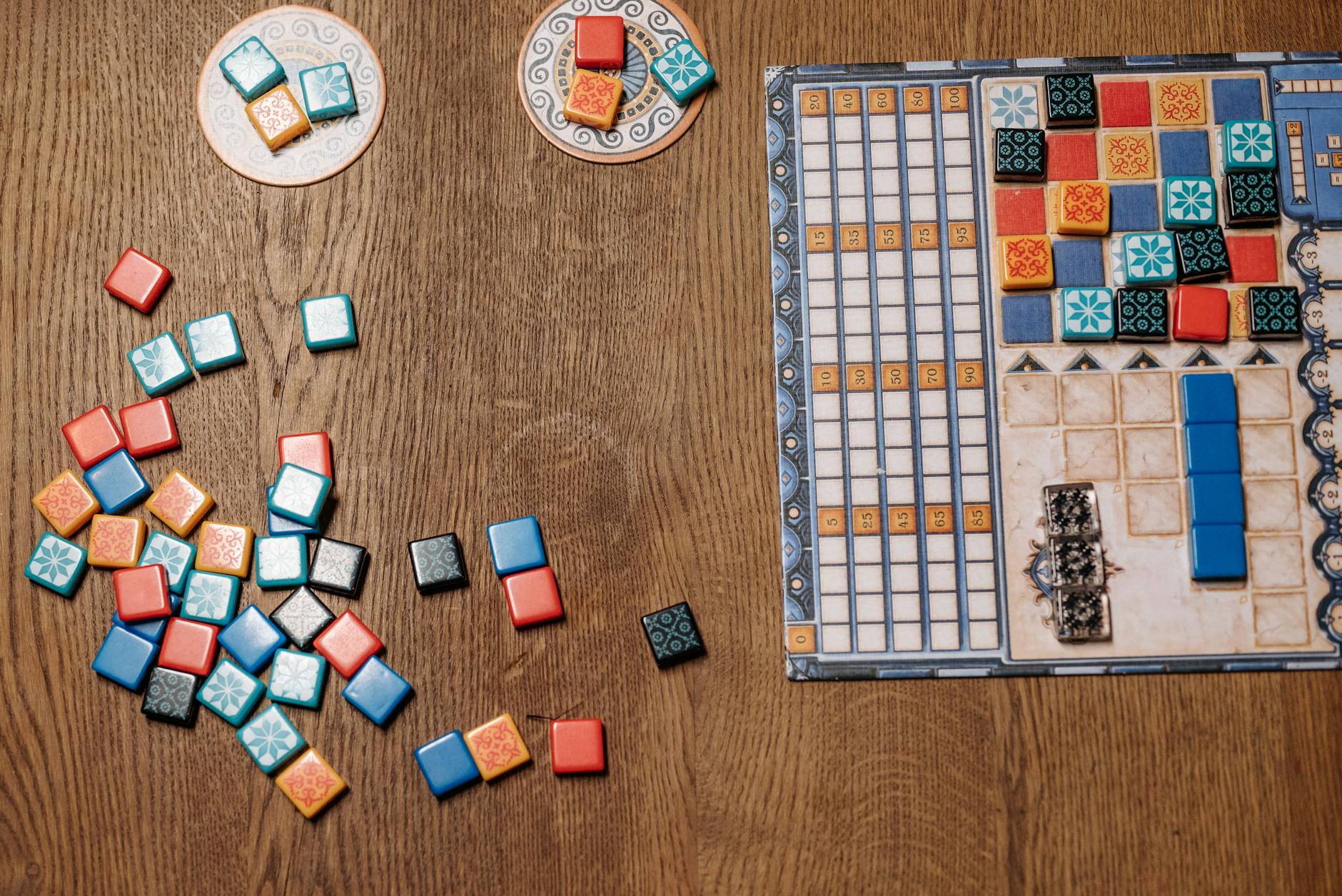
Image by: Pavel Danilyuk
https://www.pexels.com/@pavel-danilyuk