

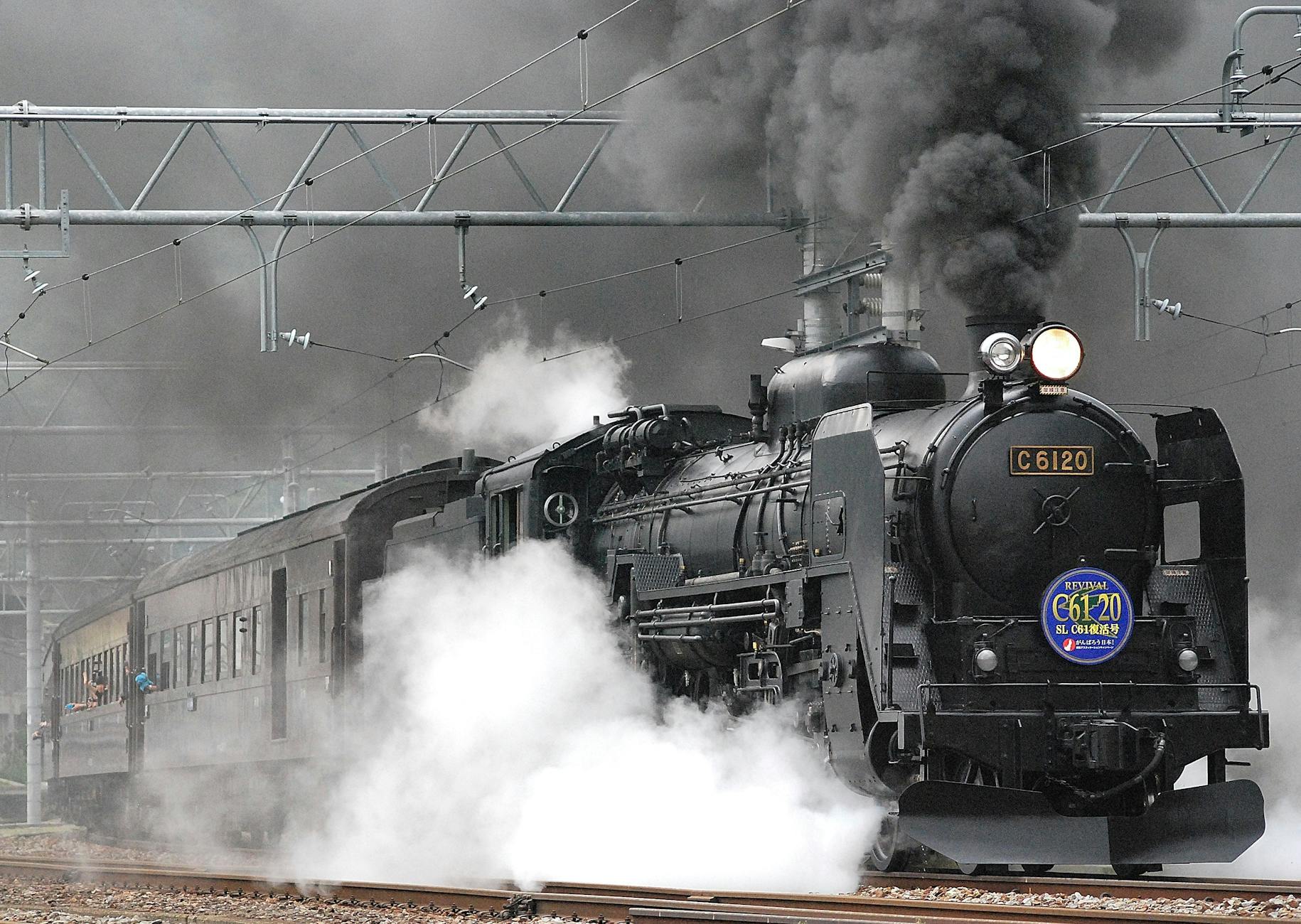
Steam power explained: a beginner’s guide to steam technology
Steam power, a force that once revolutionized industries and shaped the modern world, might seem like a relic of the past. However, understanding the fundamental principles behind steam technology offers valuable insights into the science of energy conversion and its enduring impact. This guide will demystify steam power, breaking down its core concepts into easily digestible parts. We’ll explore how water transforms into a potent force, the essential components of a steam engine, and the historical significance of this groundbreaking technology. Whether you’re a curious student, a history buff, or simply seeking to grasp the basics of a foundational scientific principle, join us on this journey into the fascinating world of steam power.
The fundamental principle: water’s transformative power
At its heart, steam power is all about harnessing the incredible energy released when water changes its state. When we heat water, its molecules gain kinetic energy and start to move more vigorously. As the temperature rises to the boiling point (100°C or 212°F at standard atmospheric pressure), this energy allows the molecules to break free from their liquid bonds and expand dramatically into a gaseous state – steam. This expansion is key; a small volume of water can become a much larger volume of steam, creating significant pressure. This pressure is the raw power that steam technology exploits. Think of it like a boiling kettle: the visible steam escaping isn’t just a byproduct; it’s a testament to the expansive force being generated. This fundamental transformation from liquid to gas, accompanied by a massive increase in volume and pressure, is the engine’s raison d’être.
Components of a basic steam engine
A steam engine, in its simplest form, is a device designed to convert the thermal energy of steam into mechanical work. The process typically involves a few key components working in concert. First, there’s the boiler, a robust vessel where water is heated, often by burning fuel like coal, wood, or gas, to produce steam. The generated steam is then directed through a steam pipe to the cylinder. Inside the cylinder is a piston, a movable disc. The high-pressure steam is introduced into one side of the cylinder, pushing the piston outwards. This linear motion of the piston is then converted into rotational motion by a mechanism called a crankshaft and connecting rod. After performing its work, the steam is expelled from the cylinder, often into a condenser where it cools back into water, or directly to the atmosphere, and the cycle repeats.
How steam is used to generate motion
The magic of a steam engine lies in how the expansive force of steam is translated into useful motion. Imagine the cylinder with the piston inside. When high-pressure steam enters one side of the cylinder, it exerts a uniform force on the entire surface of the piston. Because the piston is free to move within the cylinder, this force causes it to travel from one end of the cylinder to the other. This is the power stroke. In more sophisticated engines, a mechanism called a valve gear controls the flow of steam, ensuring it enters the cylinder at the right moment and then is released. Crucially, many steam engines use double-acting cylinders, where steam is admitted to both sides of the piston alternately, pushing it back and forth and creating a continuous, powerful reciprocating motion. This back-and-forth movement is then ingeniously transformed into the rotary motion of the crankshaft, which can then drive machinery, wheels, or propellers.
| Component | Function |
|---|---|
| Boiler | Heats water to produce steam under pressure. |
| Cylinder | A chamber where the piston moves. |
| Piston | A disc that moves back and forth within the cylinder, pushed by steam. |
| Crankshaft | Converts the linear motion of the piston into rotational motion. |
| Valve gear | Controls the flow of steam into and out of the cylinder. |
Historical impact and modern relevance
The advent of the steam engine in the 18th century ushered in the Industrial Revolution, fundamentally altering societies and economies worldwide. It powered factories, enabling mass production, and drove locomotives and steamships, revolutionizing transportation and trade. Innovations like James Watt’s improved engine, with its separate condenser, significantly increased efficiency and made steam power viable for a wider range of applications. While the internal combustion engine and electric motors have largely replaced steam engines in many everyday applications, the principles of steam power remain incredibly relevant. Steam turbines are still the workhorses of modern electricity generation, with vast amounts of power produced by heating water into steam to spin turbines connected to generators. This highlights that while the technology has evolved, the core concept of using steam’s expansive energy is still a cornerstone of our energy infrastructure.
In conclusion, steam power is a remarkable demonstration of energy conversion, transforming the simple act of heating water into a powerful force capable of driving industries and shaping civilizations. We’ve explored how the phase change of water to steam generates pressure, the essential components that make a steam engine function – from the boiler to the crankshaft – and how this reciprocating motion is harnessed for mechanical work. Furthermore, we’ve touched upon the profound historical impact of this technology, which powered the Industrial Revolution, and its enduring legacy in modern electricity generation through steam turbines. Understanding steam power provides a crucial foundation for appreciating the scientific principles behind much of our technological progress and the energy that fuels our world. It’s a testament to human ingenuity and the elegant, yet powerful, forces of nature.
Image by: Pixabay
https://www.pexels.com/@pixabay


it’s cool. like it