
In today’s dynamic entertainment landscape, the enduring appeal of video game intellectual property (IP) extends far beyond the digital realm. This article explores the multifaceted strategies employed by game developers and publishers to expand their reach and maximize the value of their beloved franchises. We will delve into the critical roles of licensing, strategic crossovers, and comprehensive transmedia storytelling in transforming a successful game into a multi-platform phenomenon. By understanding these expansionary tactics, we can gain insight into the evolving business models of the gaming industry and the future of interactive entertainment.
Licensing: Broadening the Game’s Horizon
Licensing is a cornerstone strategy for expanding a game’s IP, allowing its characters, worlds, and narratives to permeate various consumer products and media. This involves granting permission to other companies to use the game’s assets in exchange for royalties. The most common examples include action figures, apparel, board games, and even food products. For instance, the Pokémon franchise has masterfully leveraged licensing, transforming its creature-collecting RPG into a global merchandising empire. This not only generates significant revenue but also keeps the IP top-of-mind for existing fans and introduces it to new audiences through familiar everyday items. Effective licensing requires careful selection of partners who align with the brand’s image and quality standards. A poorly executed product can inadvertently tarnish the reputation of the original game, making diligent due diligence paramount.
Crossovers: The Power of Unexpected Alliances
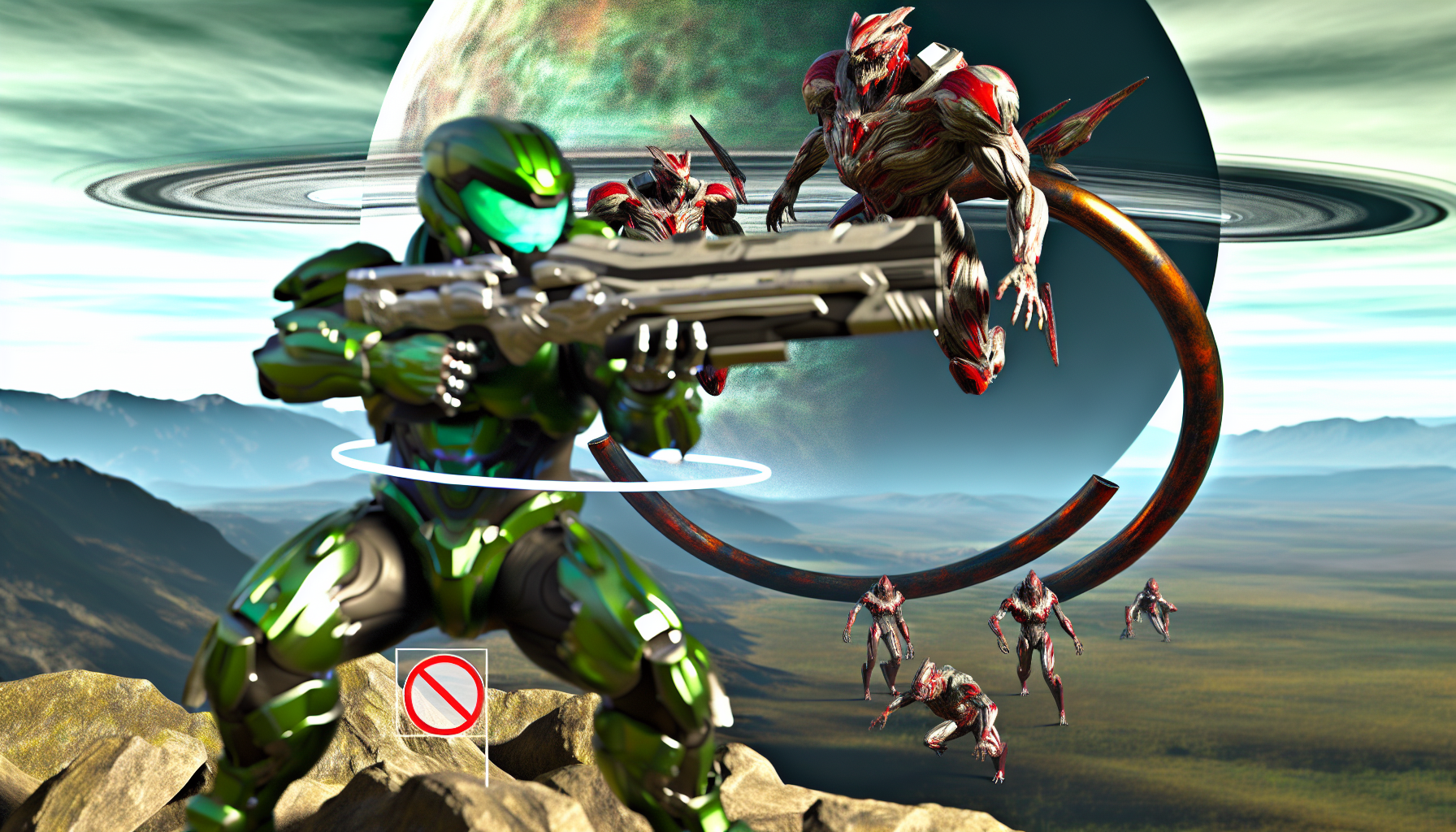
Gaming crossovers are exciting collaborations that bring characters and elements from different IPs into a single experience. These can manifest as guest appearances in fighting games, special in-game events, or even entirely new titles that blend universes. The appeal of crossovers lies in their ability to surprise and delight players by uniting beloved characters or factions. Think of the massive anticipation surrounding a potential Super Smash Bros. roster expansion or the thrill of seeing Master Chief appear in Fortnite. These events generate considerable buzz, attract new players to both participating IPs, and offer a fresh perspective on established characters. The success of a crossover hinges on a natural integration of elements and a respect for the core identity of each involved IP, ensuring the experience feels authentic rather than forced.
Transmedia: Weaving a Connected Narrative Universe
Transmedia storytelling is the art of extending a narrative across multiple platforms and mediums, with each platform contributing a unique and valuable piece to the overall story. A game’s IP might be expanded through comic books, animated series, live-action films, novels, and even augmented reality experiences. This approach creates a rich, immersive world that fans can explore through diverse avenues. The Warcraft universe, for example, has successfully expanded its lore through novels, comics, and a major motion picture, deepening player engagement and attracting a broader audience. A key to successful transmedia is ensuring consistency and coherence across all touchpoints, allowing each element to enhance the others and foster a truly interconnected universe. This strategy requires meticulous planning and a deep understanding of the source material’s potential to resonate in different formats.
Measuring the Impact of Expansion
The effectiveness of licensing, crossovers, and transmedia initiatives can be measured through various metrics. For licensing, sales figures of merchandise, brand awareness surveys, and the overall revenue generated are key indicators. Crossovers can be assessed by looking at player engagement statistics within the game, social media buzz, concurrent player numbers, and the acquisition of new players from the crossover’s target audience. Transmedia expansion can be evaluated through the sales of related media, viewership numbers for shows and movies, engagement with ancillary content like wikis and forums, and the overall growth of the IP’s dedicated fanbase. A successful expansion strategy often leads to a virtuous cycle: increased brand visibility through licensing and crossovers can drive more interest in the original game and its transmedia extensions, and vice versa.
| Strategy | Example IP | Key Manifestations |
|---|---|---|
| Licensing | Pokémon | Trading cards, action figures, clothing, mobile games |
| Crossovers | Fortnite | Guest appearances from Marvel, Star Wars, DC Comics |
| Transmedia | The Witcher | Netflix series, novels, comics, mobile games |
In conclusion, the expansion of gaming intellectual properties through licensing, crossovers, and transmedia storytelling represents a sophisticated evolution of the industry. These strategies not only unlock significant revenue streams but also cultivate deeper fan engagement and introduce beloved game worlds to entirely new demographics. By carefully curating partnerships, thoughtfully integrating disparate elements, and weaving interconnected narratives across diverse platforms, game developers can transform individual titles into enduring, multi-faceted entertainment franchises. The future of gaming IP lies in its ability to transcend its interactive origins, offering rich, immersive experiences that resonate across the entire entertainment spectrum.
Image by: Marko Blazevic
https://www.pexels.com/@kerber