

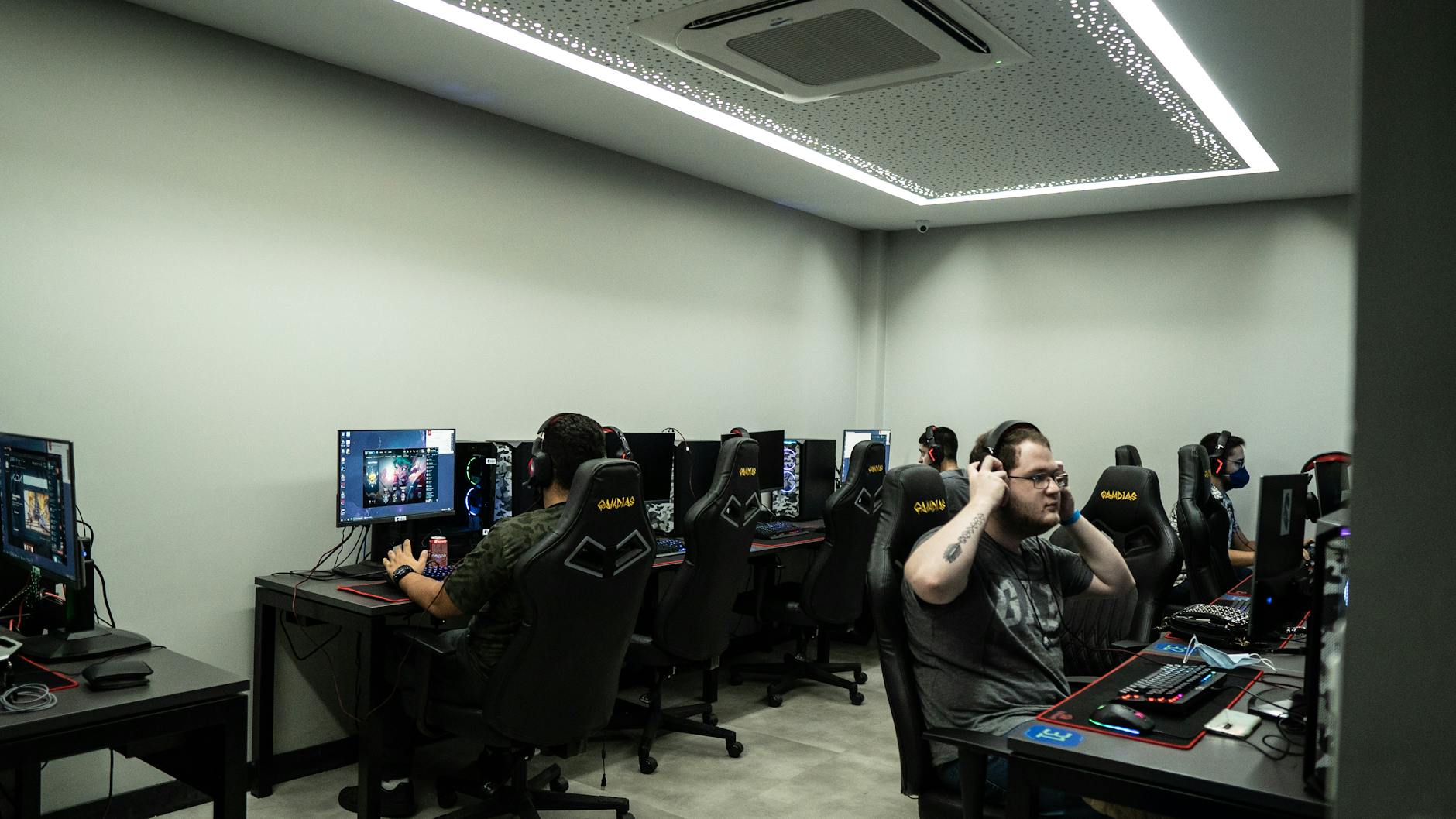
Esports tournament guide: how to get started in competitive gaming
The electrifying world of esports tournaments is no longer a niche interest; it’s a booming global industry attracting millions of viewers and players. If you’ve found yourself captivated by the strategic depth, lightning-fast reflexes, and sheer excitement of competitive gaming, you might be wondering how to transition from casual player to tournament contender. This guide is your roadmap, designed to demystify the process of getting started in esports tournaments. We’ll explore everything from choosing your game and honing your skills to understanding tournament structures and building a competitive presence. Prepare to dive deep into the fundamentals that will set you on the path to esports glory.
Choosing your battlefield: selecting the right game
Embarking on your esports journey begins with a crucial decision: which game will you dedicate your efforts to? This isn’t a choice to be made lightly. Consider games that genuinely excite you and align with your natural aptitudes. Are you drawn to the intricate team coordination of a Multiplayer Online Battle Arena (MOBA) like League of Legends or Dota 2? Do you thrive in the fast-paced, tactical environments of a First-Person Shooter (FPS) such as Valorant or Counter-Strike 2? Perhaps the strategic mastery of a Real-Time Strategy (RTS) game like StarCraft II or the precise execution of a Fighting Game like Street Fighter 6 calls to you.
Beyond personal preference, research the competitive landscape of potential games. Look into the size of their player base, the frequency and scale of their tournaments, and the accessibility of their esports scenes. Some games have well-established professional circuits with significant prize pools, while others might offer more grassroots opportunities for emerging talent. Understanding the community and its engagement level can also be a significant factor. Ultimately, the game you choose should be one you’re passionate about practicing extensively, as dedication is key to improvement.
Honing your skills: practice, analysis, and learning
Once you’ve settled on a game, the real work begins: relentless skill development. Simply playing isn’t enough; you need a structured approach to improvement. This involves consistent, deliberate practice. Break down the game into its core components: mechanical skill (aiming, movement, spell casting), game knowledge (understanding meta, strategies, map awareness), and decision-making under pressure. Dedicate specific practice sessions to each area.
Beyond self-practice, active learning is paramount. Watch professional players stream and analyze their gameplay. Don’t just observe; try to understand *why* they make certain decisions. Review your own gameplay, identifying mistakes and areas for improvement. Many games offer replay systems that are invaluable tools for self-analysis. Consider joining communities focused on competitive play within your chosen game. Engaging with other players, discussing strategies, and seeking feedback can accelerate your learning curve. For team-based games, effective communication and synergy are skills that must be cultivated just as much as individual prowess.
Navigating the tournament landscape: from amateur to pro
The transition from practicing to competing is often the most daunting step. The esports tournament landscape varies significantly by game, but a general progression exists. You’ll likely start with amateur tournaments. These can range from online community-run events to local LAN gatherings. Platforms like Battlefy, FACEIT, and the in-game tournament systems for many popular titles often host these events. Participating in these early tournaments is crucial for gaining experience in a competitive setting, understanding pressure, and learning how to perform under the rules and format of organized play.
As you gain confidence and success in amateur events, you’ll look towards more significant challenges. This might involve climbing the ranked ladders within your game, as many competitive leagues and open qualifiers use in-game ranking as a prerequisite. For team games, forming a consistent and dedicated team is often essential for progressing to higher-tier competitions. Networking within the community can also lead to opportunities. Keep an eye on official esports league announcements, qualifier sign-ups, and community forums for emerging tournament opportunities. The key is to be persistent and to continuously seek out opportunities to test your mettle against increasingly skilled opponents.
Building your presence: networking and reputation
In the competitive gaming world, your skills are only part of the equation. Building a positive reputation and a strong network can open doors to opportunities that might otherwise remain closed. Actively engage with the community surrounding your chosen game. Participate in discussions on forums, Discord servers, and social media. Be respectful, helpful, and a positive influence. This can lead to finding like-minded players for teams, getting noticed by established players or organizations, and gaining insights into the competitive scene.
Streaming your gameplay, even if you’re not yet at a professional level, can be a powerful tool. It allows others to see your skills, personality, and dedication. Consistently streaming can build an audience and make you more visible. Attending local LAN events (when possible and safe) is another excellent way to network in person. Remember, in esports, as in many professional fields, who you know can be as important as what you know. Cultivating relationships and maintaining a good standing within the community will serve you well throughout your competitive journey.
Conclusion
Stepping into the world of esports tournaments is an exciting endeavor that requires dedication, strategic thinking, and a commitment to continuous improvement. We’ve explored the foundational steps, starting with the crucial decision of selecting a game that resonates with your passion and skills. The importance of deliberate practice, coupled with in-depth analysis of both professional play and your own performance, cannot be overstated. Understanding the tiered structure of tournaments, from amateur beginnings to the pursuit of larger stages, is vital for setting achievable goals. Finally, we touched upon the often-underestimated power of networking and building a positive reputation within the vibrant esports community.
Getting started in competitive gaming is a marathon, not a sprint. It’s a journey filled with challenges and triumphs. By focusing on skill development, strategically navigating the tournament landscape, and fostering strong community ties, you can steadily progress towards your competitive aspirations. Embrace the learning process, celebrate small victories, and most importantly, remember to enjoy the thrill of competition. The path to esports glory is paved with perseverance and passion; go forth and forge your own!
Image by: Nathan b Caldeira
https://www.pexels.com/@nathan-b-caldeira-2940485