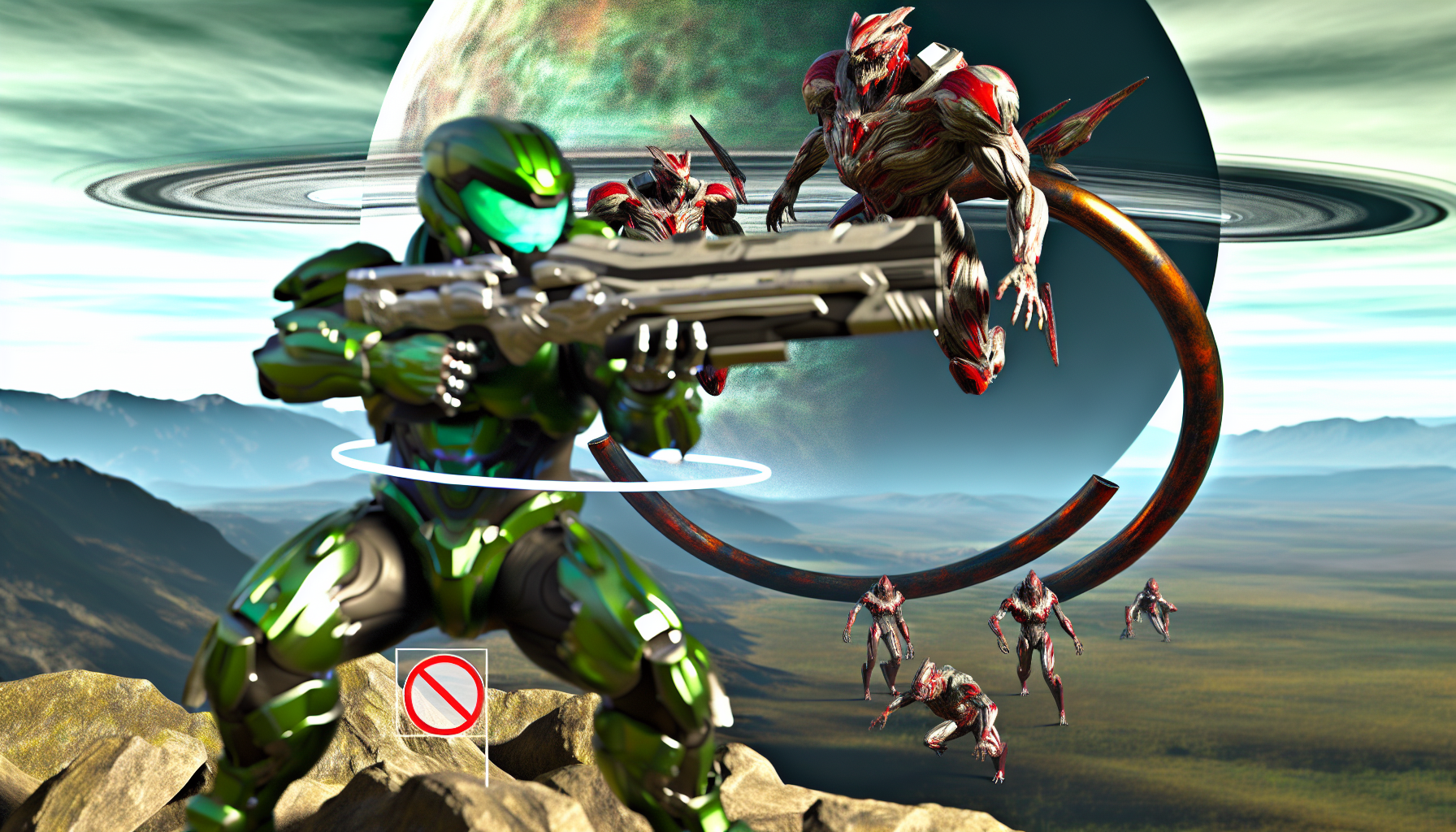


The landscape of video game development is undergoing a profound transformation, driven by the rapid advancements and widespread integration of Artificial Intelligence (AI). Once a niche technology primarily focused on enemy behaviors, AI is now permeating every facet of game creation, from generating compelling narratives and intricate game worlds to optimizing player experiences and streamlining development workflows. This article will delve into the multifaceted ways AI is revolutionizing game development, exploring its impact on content generation, character intelligence, procedural world building, and its crucial role in enhancing player engagement. We will examine how these AI-driven innovations are not only making games more sophisticated and immersive but also democratizing the creation process, opening new avenues for creativity and efficiency.
Elevating Non-Player Characters and Gameplay Dynamics
One of the most visible and impactful applications of AI in game development lies in the creation of more intelligent and believable Non-Player Characters (NPCs). Gone are the days of predictable, scripted enemies that follow simple patrol patterns. Modern AI, particularly through techniques like behavior trees and machine learning, allows NPCs to learn, adapt, and exhibit more nuanced behaviors. This means enemies can develop sophisticated combat strategies, react dynamically to player actions, and even communicate and coordinate with each other in ways that feel organic. Beyond combat, AI is also enhancing the realism of civilian NPCs, giving them routines, personalities, and the ability to interact with the environment and the player in more meaningful ways. This increased intelligence contributes significantly to a game’s overall immersion and the player’s sense of agency within its world.
The Dawn of AI-Powered Procedural Content Generation
The sheer scale and complexity of modern game worlds can be a monumental undertaking for development teams. AI-powered Procedural Content Generation (PCG) is emerging as a game-changer in this regard. Instead of painstakingly hand-crafting every asset, biome, and quest, developers are leveraging AI algorithms to generate vast and unique game environments, levels, and even entire narratives. Machine learning models can be trained on existing art styles and game design principles to produce consistent and aesthetically pleasing results. This not only drastically reduces development time and cost but also allows for games with near-infinite replayability, as each playthrough can offer a fresh and unpredictable experience. AI can also be used to generate a wide array of in-game assets, from textures and 3D models to sound effects and music, further accelerating the content creation pipeline.
Streamlining Development with AI-Assisted Tools
Beyond the in-game experience, AI is also profoundly impacting the development process itself. AI-powered tools are assisting developers in numerous ways, automating tedious tasks and enhancing efficiency. For instance, AI can be used for automated testing, identifying bugs and performance issues far more quickly than human testers. It can also aid in asset optimization, ensuring that game assets are rendered efficiently without sacrificing visual quality. Furthermore, AI can assist in code generation and debugging, suggesting code snippets or identifying potential errors, thereby speeding up the programming phase. Tools leveraging natural language processing (NLP) are even emerging to help writers generate dialogue, lore, and quest descriptions, allowing creative teams to focus on higher-level conceptualization rather than repetitive writing tasks.
Enhancing Player Experience and Personalization
The ultimate goal of game development is to provide an engaging and enjoyable experience for players. AI plays a critical role in achieving this through personalization and adaptive gameplay. Dynamic difficulty adjustment, powered by AI that monitors player performance and skill level, can ensure that games remain challenging yet not frustrating. AI can also analyze player behavior and preferences to tailor the game experience, offering personalized recommendations for content, gameplay styles, or even in-game purchases. Furthermore, AI can be used to create more sophisticated matchmaking systems in online games, pairing players with similar skill levels and playstyles for more balanced and competitive matches. This focus on individual player needs leads to higher retention rates and more satisfied players.
Data-Driven Insights: A Look at AI Adoption in Game Development
The adoption of AI in game development is steadily increasing, with studios of all sizes recognizing its potential. While specific figures can fluctuate, the trend is undeniable, with a growing investment in AI research and development for game-related applications. The impact is felt across various aspects of the development pipeline.
| Area of Impact | AI Applications | Example Benefits |
|---|---|---|
| NPC Behavior | Machine Learning, Behavior Trees | More realistic enemy tactics, adaptive AI allies |
| World Generation | Procedural Content Generation (PCG) | Vast, unique game worlds, increased replayability |
| Development Tools | Automated Testing, Code Generation | Faster bug detection, reduced development time |
| Player Experience | Dynamic Difficulty, Personalization | Engaging challenges, tailored content |
The data illustrates a clear pattern: AI is not just a tool for creating more complex in-game elements but a fundamental shift in how games are conceived, built, and delivered to players.
In conclusion, Artificial Intelligence is no longer a futuristic concept in game development; it is a present-day reality fundamentally reshaping how games are created and experienced. From breathing life into non-player characters with unprecedented intelligence and crafting expansive, procedurally generated worlds that offer endless exploration, to dramatically streamlining the development process through AI-assisted tools, its influence is pervasive. AI is not merely an efficiency booster but a powerful creative partner, enabling developers to achieve new levels of depth, complexity, and player engagement. As AI continues to evolve, we can anticipate even more innovative applications that will push the boundaries of what is possible in interactive entertainment, leading to more personalized, immersive, and accessible gaming experiences for everyone. The future of gaming is undeniably intertwined with the continued advancements and integration of artificial intelligence.
Image by: Pavel Danilyuk
https://www.pexels.com/@pavel-danilyuk