

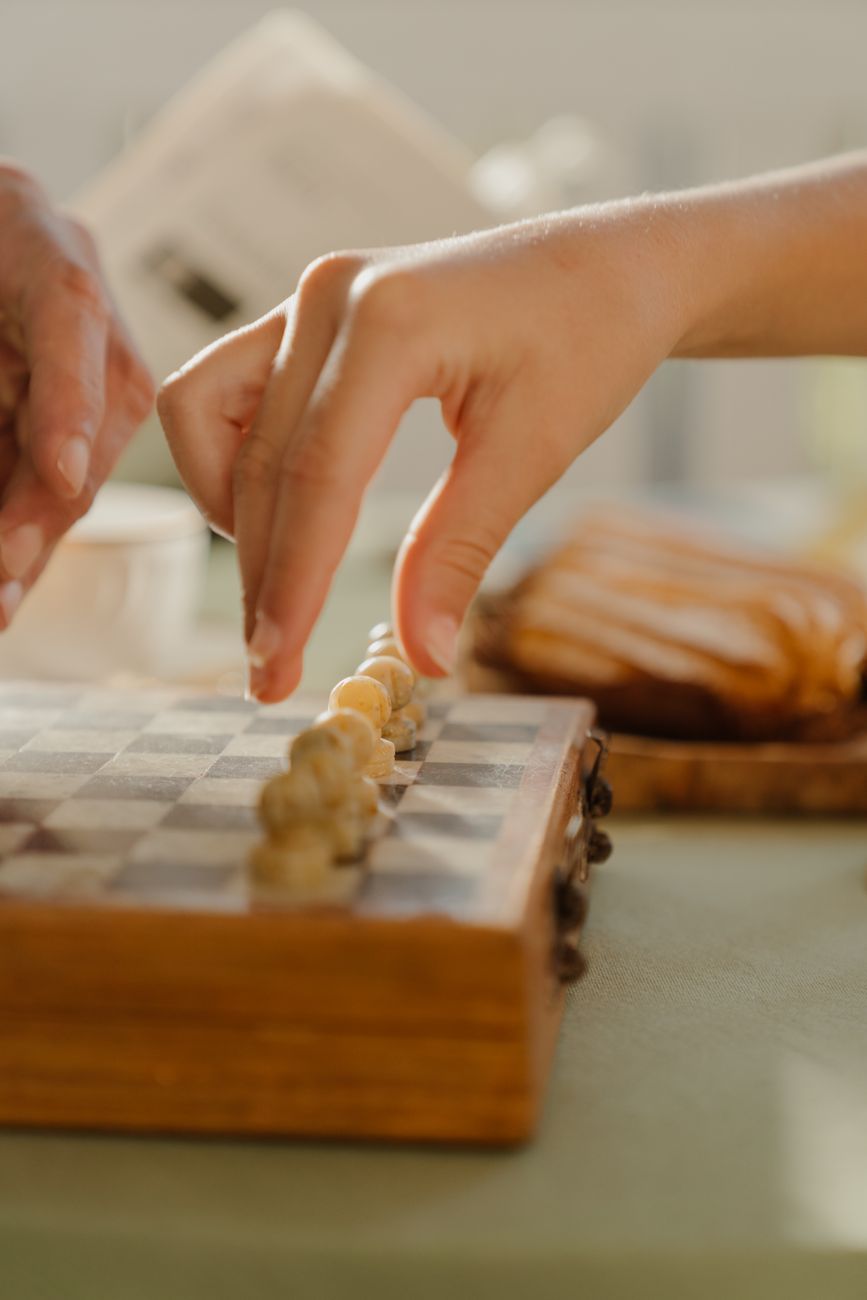
Understanding chess endgames: tips to win more games is a subject that separates casual players from tournament contenders. After the opening flurry and the middlegame tactics, the board often simplifies to a handful of pieces where precise knowledge becomes decisive. In this article we will explore the essential principles that govern the final phase of a game, reveal how to activate your king, master pawn promotion, and recognize the most common theoretical endings. You will also learn practical conversion techniques and how to structure a study routine that turns theory into winning results. By the end, you will have a clear roadmap to transform vague endgame ideas into concrete, repeatable victories.
basic principles of endgames
Before diving into specific patterns, it is crucial to internalize a few universal rules. The first rule is king activity: unlike the opening, the king becomes a fighting piece and should move toward the center or the pawn’s promotion path. The second rule concerns piece coordination; each remaining piece must support the others, especially when defending or creating passed pawns. Finally, the concept of opposition—the precise placement of kings relative to each other—often decides whether a pawn can advance safely. Mastering these ideas creates a solid foundation for every subsequent endgame scenario.
king activity and pawn promotion
When the board clears, the king’s role shifts dramatically. Use the king to escort passed pawns, block enemy pieces, and control key squares. A practical tip is to place the king one knight‑move away from the pawn’s promotion square, forcing the opponent to waste moves defending. At the same time, watch for stalemate traps—an active king can avoid accidental draws by maintaining at least one legal move for the opponent.
- Move the king toward the center early in the endgame.
- Use the king to shield your pawn while attacking the opponent’s weak pawn.
- Never let the opponent’s king dominate the board; keep opposition whenever possible.
common theoretical endings
Some material configurations appear so frequently that they deserve dedicated study. Below is a quick reference table that summarizes the most frequent endings and the typical outcome when both sides play correctly.
| Material | Winning chances | Key technique |
|---|---|---|
| King and queen vs. king | 100 % | Use the “box” method to drive the enemy king to the edge. |
| King and rook vs. king | 100 % | Cut off the king with the rook and deliver checkmate on the back rank. |
| King and bishop + knight vs. king | 100 % | Drive the opponent’s king to a corner matching the bishop’s colour. |
| King and pawn vs. king | Varies (≈ 70 % if pawn is on the 5th rank or beyond) | Use the “square” rule and support the pawn with the king. |
| King and two bishops vs. king | 100 % | Coordinate bishops to restrict the king and force mate. |
practical conversion techniques
Even with a theoretical advantage, converting to a win requires careful planning. One effective method is the triangulation maneuver: move your king in a three‑move triangle to lose a tempo and gain the opposition. Another is the waiting move with a bishop or knight, preserving the tempo while forcing the opponent into a less favorable position. When you have a passed pawn, consider creating a “bridge” with a rook or queen to shield its advance. Combining these tactics with the fundamental principles ensures that a material edge translates into a decisive result.
building an endgame study routine
Consistent practice beats occasional study. Allocate a short daily slot—15 minutes—to review a single endgame pattern, then play out the position against a computer or a training partner. Keep a log of positions you struggled with and revisit them weekly. Mixing theoretical study (using books or online databases) with practical play helps embed the concepts. Over time, you will notice faster decision‑making and a higher conversion rate in real games.
In summary, mastering chess endgames hinges on three pillars: understanding the universal principles, learning the most common theoretical endings, and applying practical conversion tactics. By keeping the king active, exploiting pawn promotion opportunities, and rehearsing key patterns through a disciplined study routine, you turn vague knowledge into reliable victories. The table above serves as a quick reference, while the tips throughout the article provide actionable steps you can implement immediately. With consistent effort, you will see a noticeable improvement in your endgame performance and, ultimately, win more games.
Image by: cottonbro studio
https://www.pexels.com/@cottonbro