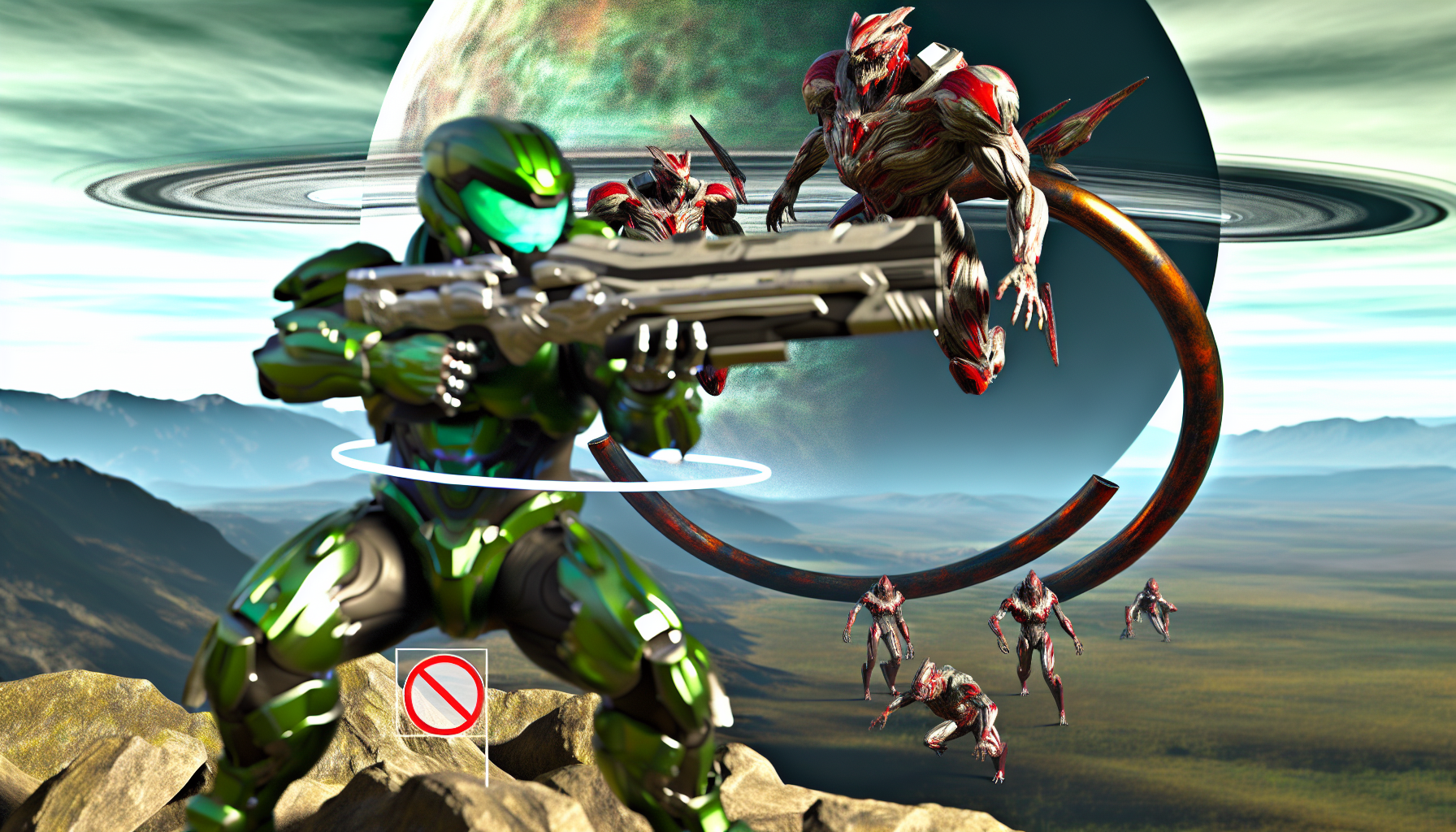


Cloud gaming is reshaping the way developers think about creation, distribution, and player interaction. By moving the heavy lifting of rendering to remote servers, studios can reach a broader audience without the constraints of traditional hardware. This article explores how the rise of streaming platforms is influencing every stage of game development—from initial design decisions to post‑launch monetization. We will examine the new development pipeline, the creative freedoms unlocked by low‑latency streaming, the financial models emerging in a cloud‑first world, and the technical challenges that still need to be solved. Understanding these trends is essential for anyone who wants to stay ahead in an industry that is rapidly moving from consoles and PCs to the cloud.
Changing the development pipeline
In a cloud‑centric ecosystem, the classic “build‑once‑run‑anywhere” mantra evolves into a more fluid process. Developers now target server‑side architectures first, which means:
- Asset streaming replaces static packaging, allowing textures and models to be swapped in real time based on bandwidth.
- Continuous integration becomes a live service; updates can be pushed without waiting for a new console generation.
- Cross‑platform testing is simplified because the same server instance serves PC, mobile, and smart‑TV users.
These shifts reduce the time between concept and player feedback, encouraging iterative design and faster bug resolution.
New design possibilities with streaming
When rendering happens in the cloud, developers are no longer bound by the graphics card of a consumer’s device. This opens doors to:
- High‑resolution ray tracing for all players, not just those with premium GPUs.
- Massive open worlds that load progressively, since the server can stream terrain on demand.
- Dynamic AI that runs on powerful back‑end hardware, delivering richer NPC behavior.
However, designers must also consider latency. Gameplay that relies on split‑second reactions—like competitive shooters—needs careful network optimization to keep the experience smooth across diverse connection speeds.
Monetization and distribution shifts
Cloud platforms act as both storefronts and runtime environments, which changes how studios earn revenue. Subscription bundles, pay‑per‑hour access, and tiered quality settings are now common. This model encourages:
- Long‑term engagement through seasonal content that can be streamed instantly.
- Lower entry barriers, as players no longer purchase expensive hardware.
- Data‑driven pricing, with real‑time analytics informing micro‑transaction strategies.
For indie developers, the reduced need for physical distribution can dramatically cut overhead, while large publishers gain a unified channel to reach global audiences.
Technical constraints and opportunities
Even with powerful data centers, cloud gaming faces hurdles that developers must address:
- Bandwidth variability—games must adapt graphics fidelity on the fly to avoid buffering.
- Server latency—optimizing netcode is crucial for fast‑paced genres.
- Scalability—handling sudden player spikes requires robust load‑balancing.
At the same time, these challenges inspire innovative solutions such as edge‑computing nodes that bring processing closer to the user, and AI‑based compression algorithms that shrink data without sacrificing quality.
Future outlook for studios
Looking ahead, studios that embed cloud considerations from the earliest design phases will have a competitive edge. They can:
- Leverage as‑a‑service tools for physics, lighting, and AI, reducing the need for in‑house infrastructure.
- Experiment with cross‑reality experiences, blending VR, AR, and traditional gaming through a single streaming backend.
- Adopt modular monetization, offering players the choice between ownership, subscription, or episodic access.
The following table shows projected growth for the cloud gaming market and the share of new game releases that are expected to be cloud‑first by 2028.
| Year | Global market size (USD bn) | Cloud‑first releases (%) |
|---|---|---|
| 2024 | 5.2 | 12 |
| 2025 | 7.1 | 18 |
| 2026 | 9.4 | 26 |
| 2027 | 12.3 | 35 |
| 2028 | 16.0 | 48 |
As the numbers illustrate, the cloud is not a niche experiment but a fast‑growing mainstream channel that will dominate how games are built and delivered.
In conclusion, cloud gaming is redefining the entire lifecycle of video games. By reshaping the development pipeline, it grants creators unprecedented technical freedom while demanding new strategies for latency and bandwidth management. Monetization models are evolving toward subscription and usage‑based approaches, giving both indie and AAA studios fresh revenue streams. Technical challenges such as server latency and scalability are driving innovative solutions like edge computing and AI compression. Studios that integrate cloud‑first thinking now will be positioned to capitalize on a market projected to more than triple in size within five years, with nearly half of new titles designed for streaming platforms. The future of game development is undeniably intertwined with the cloud, and embracing this shift will be the key to staying relevant in the coming decade.
Image by: www.kaboompics.com
https://www.pexels.com/@karola-g