

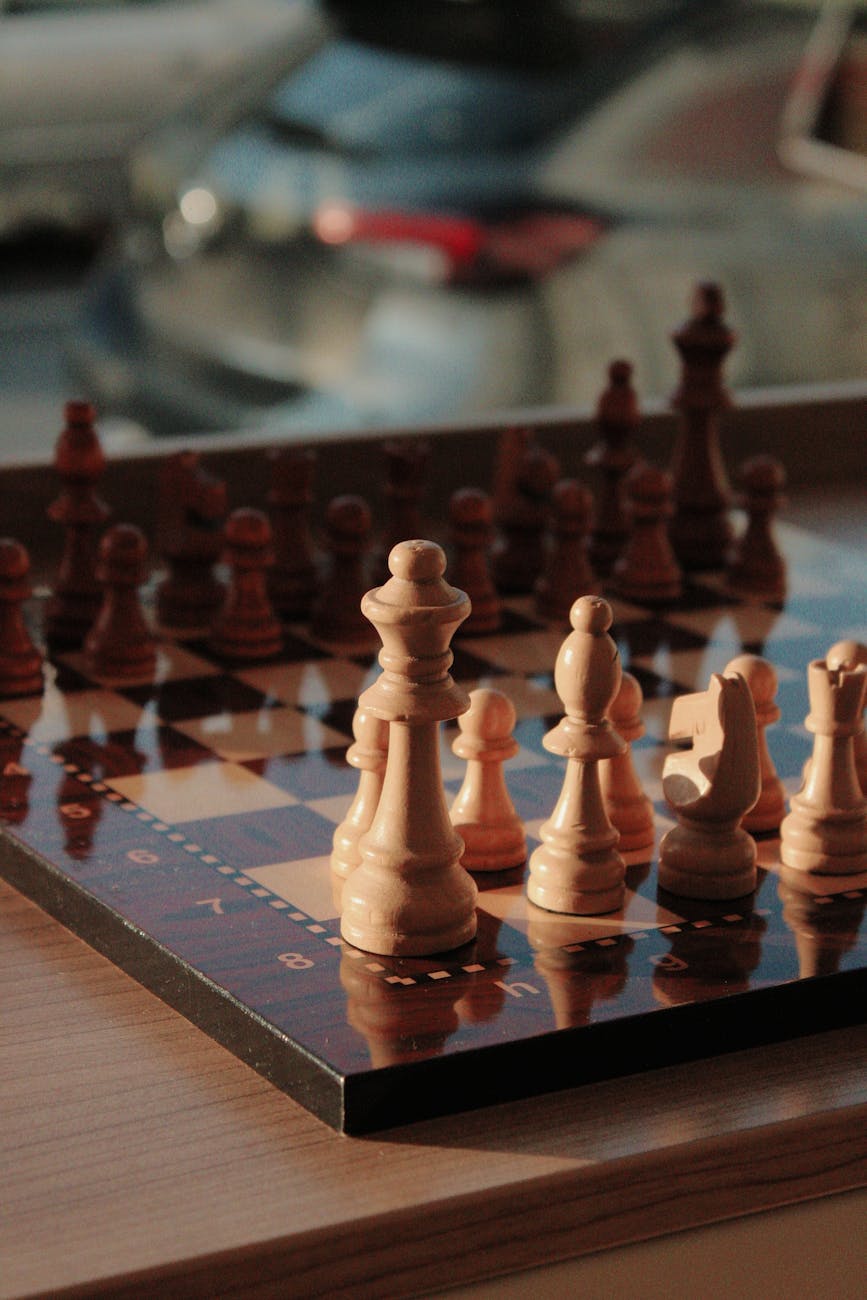
Chess, often hailed as the “game of kings,” is far more than just a pastime. It’s a rigorous mental workout that engages your brain in profound ways. While its strategic depth is undeniable, the benefits of playing chess extend far beyond the chessboard, impacting cognitive abilities, personal development, and even well-being. This article will explore the multifaceted advantages of embracing the world of 64 squares. From sharpening your problem-solving skills and enhancing memory to fostering patience and strategic thinking, we’ll delve into how this ancient game can profoundly boost your brainpower and enrich your life in numerous other ways. Prepare to discover the captivating power of chess.
Sharpening your problem-solving and critical thinking skills
At its core, chess is a game of perpetual problem-solving. Each move presents a new puzzle to solve, requiring players to analyze the current board state, anticipate their opponent’s intentions, and formulate effective strategies. This constant mental engagement directly translates into enhanced critical thinking abilities. Chess players learn to break down complex situations into manageable parts, evaluate multiple options, and make decisions based on logical reasoning and foresight. This analytical prowess is not confined to the game; it spills over into everyday life, enabling individuals to approach challenges with a more structured and reasoned mindset. You become adept at identifying root causes, weighing potential consequences, and devising robust solutions, whether it’s tackling a work project, making financial decisions, or navigating interpersonal conflicts.
Boosting memory and concentration
The intricate nature of chess demands an exceptional level of focus and a robust memory. Players must remember opening strategies, visualize potential future moves several steps ahead, and recall previous game patterns. This mental exercise acts as a powerful workout for the brain’s memory centers, improving both short-term and long-term recall. Furthermore, the sustained concentration required to navigate a chess game strengthens your ability to focus for extended periods, a valuable skill in our increasingly distraction-filled world. This improved concentration can lead to greater productivity in academic pursuits, professional tasks, and any activity that requires sustained attention. The ability to block out distractions and immerse yourself in a task is a direct benefit cultivated through regular chess play.
Developing patience and foresight
Chess is a game that rarely offers instant gratification. Success often hinges on careful planning, thoughtful execution, and the ability to wait for the right moment to strike. This inherent characteristic of the game cultivates invaluable traits of patience and foresight. Players learn that rash decisions can lead to detrimental outcomes, and that a well-timed, strategic move, even if it takes several turns to develop, can be far more effective. This learned patience extends beyond the chessboard, helping individuals to endure setbacks, persevere through difficult tasks, and understand that long-term goals are often achieved through steady, deliberate effort. The ability to think ahead, anticipate consequences, and resist impulsive actions are cornerstones of success in both chess and life.
Enhancing creativity and strategic planning
While chess relies heavily on logic and calculation, it also fosters a remarkable degree of creativity. Within the structured rules of the game, there are countless possibilities and unique strategies waiting to be discovered. Players are encouraged to think outside the box, devise novel approaches, and adapt their plans on the fly when faced with unexpected challenges. This constant need for innovation and flexible thinking sharpens creative problem-solving abilities. Moreover, chess is a masterclass in strategic planning. Players must develop long-term objectives, understand the strengths and weaknesses of their pieces and their opponent’s pieces, and execute multi-step plans. This ability to strategize and plan for the future is a transferable skill that can significantly impact success in business, personal finance, and life in general.
| Cognitive Benefit | How Chess Helps | Real-World Application |
|---|---|---|
| Problem-solving | Analyzing board states, anticipating opponent’s moves | Tackling complex work projects, financial planning |
| Memory | Recalling opening strategies, visualizing future moves | Academic learning, remembering important information |
| Concentration | Sustained focus during gameplay | Improved productivity, reduced distractions |
| Patience | Waiting for the right opportunity to attack | Persevering through challenges, achieving long-term goals |
| Strategic Planning | Developing long-term objectives, anticipating consequences | Business strategy, personal goal setting |
In conclusion, the act of playing chess offers a wealth of benefits that resonate far beyond the confines of the game itself. We’ve explored how this ancient pursuit hones critical thinking and problem-solving skills, turning players into astute strategists capable of dissecting complex situations. The rigorous mental demands of chess also significantly bolster memory and concentration, enabling individuals to retain information and focus with greater efficacy in their daily lives. Furthermore, the game instills invaluable virtues of patience and foresight, teaching the importance of thoughtful planning and delayed gratification. Finally, chess acts as a potent catalyst for creativity and strategic planning, encouraging innovative thinking and the development of comprehensive, long-term objectives. Ultimately, embracing chess is an investment in your cognitive health and personal development, offering a rewarding and engaging path to a sharper mind and a more strategically adept life.
Image by: neslihan ୨ৎ
https://www.pexels.com/@neslihan-97164342